How to Clean a Deep Fryer: A Simple Step-by-Step Guide
Recommended picks

Step 1: Unplug and Let Everything Cool
Safety comes first with any countertop deep fryer. Unplug the unit from the wall and leave it alone for at least two hours, or until the oil is completely at room temperature. Touching the heating element, basket, or oil pot while warm is a burn risk and also causes thermal shock to stainless steel components. If your fryer has a lid, set it aside so heat escapes faster. Never try to cool it down by adding ice or cold water to the oil.
Step 2: Drain or Strain the Oil
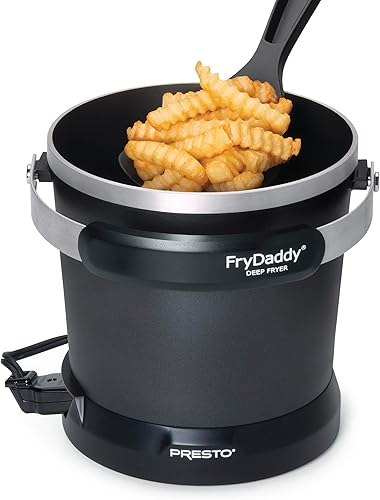
Once the oil is cool, decide whether it is worth keeping. Oil that is light in color and smells neutral can usually be strained through a fine-mesh strainer or cheesecloth into an airtight container and reused two to four times. Oil that is dark, foamy, or smells burned should go in a sealed container and into the trash, never down the drain. Models like the Presto 05420, which draws 1200 watts and uses a ceramic interior, tend to run at lower temperatures that are gentler on oil, so you may get more reuse cycles from each batch.
Step 3: Remove and Wash the Basket
Lift out the frying basket and any dividers or racks. Most stainless steel baskets, like those on the Secura L-DF401B-T (a 4.2-quart countertop fryer), can go straight into a sink filled with hot water and a few drops of dish soap. Soak for five to ten minutes to loosen baked-on batter and crumbs, then scrub with a non-scratch brush or sponge. Rinse well and set aside to air dry, or dry with a clean towel to prevent water spots on the stainless finish.
Step 4: Degrease the Interior Oil Pot
After draining, there will still be a film of grease coating the inside of the pot. Wipe out as much residual oil as you can with paper towels first, which cuts down on the amount of degreaser you need. Then pour in a small amount of warm water mixed with dish soap or a dedicated kitchen degreaser, and scrub the pot walls with a soft sponge. For stubborn baked-on spots, a paste of baking soda and water applied for five minutes works well without scratching the surface. Rinse thoroughly and make sure no soapy residue is left behind, since soap in the next batch of oil will ruin the flavor of your food.
Step 5: Wipe the Exterior and Heating Element
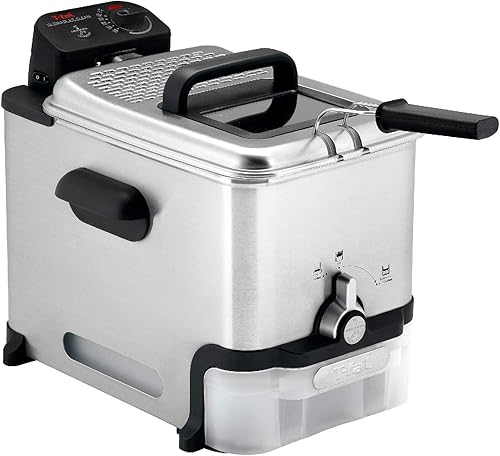
Use a slightly damp cloth to wipe down the outside housing, controls, and any vents. Never submerge the main body of the fryer in water because the electrical components will be damaged. For the heating element, if it is removable (some models have this feature), wipe it carefully with a damp cloth after it is unplugged and cold. If it is fixed in place, wipe just the accessible surfaces, being careful not to push water into the connection points. The T-Fal FR702D51, a 3.7-quart stainless fryer that draws strong buyer demand with over 22,000 reviews, has a sealed design that keeps cleaning straightforward.
How Often Should You Clean a Deep Fryer?
A full clean every 8 to 10 uses keeps oil tasting fresh and prevents carbon buildup that is hard to remove later. After every use, strain the oil and wipe the basket. Once a month, do a deeper clean of the oil pot, heating element area, and exterior. If you notice a burnt smell during cooking, dark oil, or visible carbon flakes in the food, clean it immediately regardless of how recently you last did it. Staying on top of maintenance also extends the life of the nonstick or stainless basket and keeps the fryer heating consistently.
Common mistakes to avoid
- Adding water to hot oil to cool it down faster, which causes dangerous splattering
- Skipping the paper towel wipe-down before adding soapy water, which dilutes the degreaser and makes cleaning harder
- Putting the main fryer body in the dishwasher or submerging it in the sink
- Using abrasive steel wool pads on stainless steel baskets, which leaves scratches that trap grease
- Reassembling or refilling with oil before parts are fully dry, which causes water to spatter violently when the fryer heats up
- Letting used oil sit in the fryer for days between uses, which accelerates rancidity and makes the next cleaning much harder
Frequently asked questions
Can I put deep fryer parts in the dishwasher?
The basket and removable oil pot on many countertop fryers are listed as dishwasher safe by the manufacturer, but check your specific model's manual first. The main body with the heating element and electrical controls should never go in the dishwasher or be submerged. Hand washing with hot soapy water is always the safest option for any part you are unsure about, and it tends to be gentler on nonstick coatings over time.
How do I get rid of the burnt oil smell from my deep fryer?
After a full clean, fill the pot with equal parts white vinegar and water, let it sit for 15 to 20 minutes, then drain and rinse well. Vinegar cuts through odor-causing grease residue that soap alone sometimes misses. You can also wipe the dry interior with a small amount of baking soda on a damp cloth, then rinse. A few drops of lemon juice in the final rinse water also helps neutralize lingering odors.
How do I know when to change the frying oil?
Fresh frying oil is pale yellow and has a neutral smell. Change it when it turns dark brown, smells bitter or burned, or starts foaming heavily during frying. Oil that has broken down also lowers the temperature more than fresh oil does at the same wattage setting, so food comes out greasy rather than crisp. Most home cooks get two to four frying sessions from one batch of oil before it needs replacing.
Is it safe to clean the heating element with water?
Only if the fryer is unplugged and the element is completely cold. Use a barely damp cloth, not a wet one, and wipe gently without pushing moisture into the connection points or socket area. Let the element air dry completely before you plug the fryer back in. If your model has a removable heating element, follow the manufacturer's cleaning instructions because some are designed for rinsing while others are not.
What is the easiest way to remove hardened grease from a deep fryer basket?
Soak the basket in very hot water mixed with a generous squirt of dish soap for at least 10 minutes, which softens most hardened grease. For stubborn spots, sprinkle baking soda directly on the wet basket, let it sit for five minutes, and scrub with a stiff nylon brush. A nylon brush works better than a sponge on wire baskets because the bristles reach into the mesh. Avoid metal brushes or steel wool, which scratch stainless steel and make future cleaning harder.