How to Choose a Deep Fryer: What Actually Matters for Home Cooks
Recommended picks
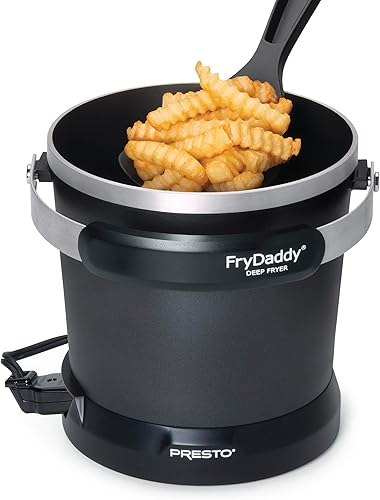
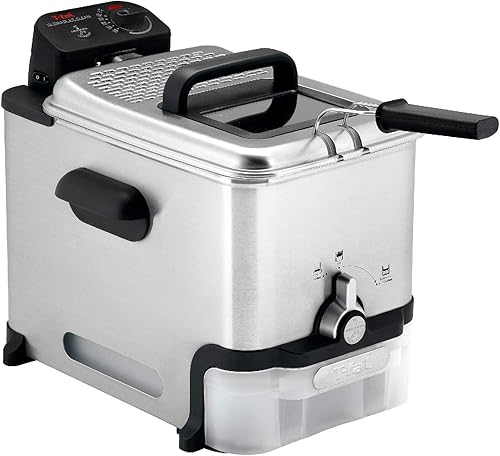
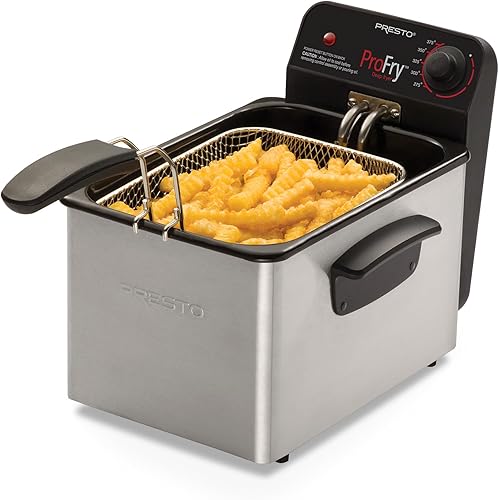
Oil Capacity: Match the Fryer to Your Household
Countertop deep fryers range from compact 1.1-quart models up to large 5-quart and beyond units built for bigger households or entertaining. A 1.1-quart fryer like the Presto 5470 ($38.99, 1000W, stainless steel) fits one to two servings and takes up minimal counter space, which makes it practical for singles or couples who fry occasionally. For a family of three to five, a 3 to 4-quart basket gives you enough room to fry a full pound of french fries or several pieces of chicken without stacking food on top of itself. Crowded baskets are one of the main reasons food comes out greasy instead of crispy, because stacking drops the oil temperature and the food ends up steaming rather than frying. Larger capacity also means more oil to buy, heat, store, and eventually dispose of, so do not size up beyond what you actually need.
Wattage and Oil Recovery Time
Wattage is the spec that most directly controls how quickly your fryer heats oil and how fast it recovers temperature after you drop cold food in. Entry-level fryers often run at 1000 to 1200 watts, which is adequate for small batches but can mean a noticeable wait between rounds. Mid-range models at 1500 watts, such as the Presto 05411 ($58.58, aluminum build, 4.5 lb), strike a good balance of speed and standard household outlet compatibility. The Presto 05461 runs at 1800 watts with a 3-quart stainless steel basket at $62.99, and that higher wattage means oil bounces back to frying temperature faster after each batch, which matters when you are cooking for guests. Most standard 15-amp household circuits handle up to 1800 watts comfortably, so anything beyond that may require a dedicated circuit or commercial setup.
Basket Style and Cooking Surface
Most home deep fryers use a single wire mesh basket with a folding handle. The basket lifts food out of the oil so it can drain before serving, and the folding handle lets the lid close during frying to contain splatter. Some larger models, like the Hamilton Beach 35034 ($84.95, 4.7 qt, aluminum, 11 lb) and the Hamilton Beach 35036 ($79.95, 4.8 qt, 1800W, 12.4 lb), include two or three separate baskets so you can fry different foods at the same time or keep batches separate. Dual-basket designs add footprint and weight but are genuinely useful if you want to run a full dinner with sides simultaneously. Check that the basket handle locks securely into the fryer body, because a wobbling basket over hot oil is a real safety concern.
Material and Build Quality
The two most common materials for home deep fryer bodies are stainless steel and coated aluminum or plastic. Stainless steel bodies hold up well to heat cycling, resist staining, and look presentable on the countertop. The T-Fal FR702D51 ($139.95, 3.7 qt, stainless) carries over 22,000 buyer ratings at 4.4 stars, making it one of the most reviewed fryers in this category, and its stainless build has proven durable across years of verified buyer feedback. Budget plastic-body fryers cost less upfront but can warp, discolor, or emit odors when oil splashes on the casing during frying. Aluminum bodies sit in the middle: lighter than stainless and often cheaper, but more prone to surface scratching. The interior oil tank and basket are typically separate from the outer body material, so check both.
Cleanup: The Spec Nobody Lists Prominently
A deep fryer is easy to love when you use it and easy to resent when it is time to clean. The key things to check are whether the oil tank and lid are removable for washing, whether those parts are dishwasher-safe, and whether the heating element is immersed (more powerful, but trickier to clean around) or external (simpler to wipe down). A built-in odor filter in the lid makes a meaningful difference in how much the frying smell lingers in your kitchen. The Presto 05420 ($40.94, 1200W, ceramic material, 3 lb) has over 30,000 ratings at 4.6 stars, which reflects consistent buyer satisfaction and points to a design that holds up well over repeated use. Whatever fryer you choose, get into the habit of filtering and storing oil after every session so it lasts longer and does not degrade flavor.
Safety Features Worth Checking
Hot oil is dangerous, so a few safety features are worth confirming before you buy. Look for a magnetic breakaway power cord, which disconnects if the fryer is pulled or knocked, preventing the unit from being dragged off the counter. A lid with a viewing window lets you monitor frying without opening the cover and exposing yourself to steam and splatter. A cool-touch exterior body means you can reposition the fryer on the counter without burning your hands. Some models include an automatic shutoff if the oil overheats, which is a useful failsafe. These features are more common on mid-range fryers than on the lowest-priced options, so weigh the cost difference against the safety benefit if you are choosing between price tiers.
Common mistakes to avoid
- Buying a larger-capacity fryer than your household needs, which means heating and disposing of more oil than you actually use
- Choosing a low-wattage model for batch cooking, which causes long waits between rounds as the oil recovers temperature
- Ignoring the weight of the unit with oil filled, which can make a 10-plus-pound fryer awkward to move for cleaning
- Skipping the check on whether the oil tank and basket are removable and dishwasher-safe before purchasing
- Not accounting for counter space and storage, since even a compact fryer needs a clear area near an outlet and a safe spot to cool down
- Frying with too much food in the basket at once, which drops the oil temperature and results in greasy rather than crispy food regardless of which fryer you own
Frequently asked questions
What oil capacity do I need for a family of four?
A 3 to 4-quart oil capacity covers most family-of-four frying needs, including a full batch of french fries or several pieces of chicken. Going smaller means cooking in more rounds, which adds time and lets the first batch cool down before everyone sits to eat. Going larger than 4 quarts means you are heating and filtering more oil than you typically need for a weeknight dinner.
Is a higher-wattage deep fryer actually better?
Higher wattage means faster initial heat-up and quicker recovery between batches, which matters most when you are cooking multiple rounds. For occasional, single-batch use a 1200-watt fryer is adequate, but if you fry regularly or cook for a crowd a 1500 to 1800-watt model will noticeably reduce your total cooking time. Most standard household outlets support up to 1800 watts without issue.
How often do I need to change the frying oil?
Oil life depends on what you fry, how hot you run the fryer, and how well you filter and store the oil between uses. Filtered and properly stored oil can last through four to eight frying sessions before flavor or color degrades noticeably. Frying breaded foods breaks oil down faster than frying plain items, and oil that smells off or has turned very dark should be replaced rather than used again.
Does a stainless steel deep fryer perform better than a plastic one?
Stainless steel holds up better over time, resists staining from oil, and does not absorb or off-gas odors the way some plastic housings can. The performance difference in terms of frying quality comes down to the heating element and wattage, not the body material. That said, a stainless steel body is worth the modest price premium for anyone who plans to use the fryer regularly over several years.
Can I use any type of oil in a countertop deep fryer?
Most countertop deep fryers work with vegetable oil, canola oil, peanut oil, or sunflower oil. The key factor is smoke point: choose an oil with a smoke point above 375 degrees Fahrenheit so it does not break down and smoke at normal frying temperatures. Olive oil and butter are not suitable for deep frying because their smoke points are too low. Peanut oil is popular for fried chicken because of its high smoke point and neutral flavor.