How to Clean an Air Fryer the Right Way
Recommended picks

What You Need Before You Start
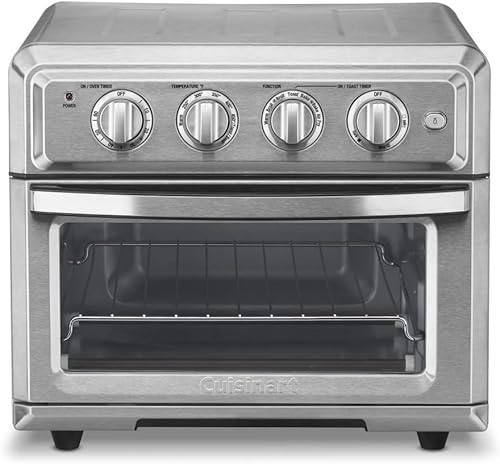
Gather a soft sponge or microfiber cloth, dish soap, a small brush with soft bristles (an old toothbrush works), warm water, and a dry towel. Avoid steel wool, abrasive scrubbers, or any cleaner that contains bleach, since these scratch nonstick baskets and can damage the coating permanently. If you have a larger countertop air fryer like the Cuisinart TOA-60ES, which runs at 1800 watts and reaches up to 450 degrees F, you also have a drip tray and baking rack to account for. Keeping the right supplies at arm's reach makes the process fast and consistent.
Step 1: Cool Down and Unplug
Always unplug the air fryer and let every part cool for at least 30 minutes before you touch it. The basket, tray, and interior walls hold heat well after cooking, and rushing this step risks burns. Do not run cold water over a hot basket to speed things up, because sudden temperature changes can warp nonstick surfaces over time. Once everything is at room temperature, remove the basket and any removable inserts and set them on the counter.
Step 2: Clean the Basket and Tray
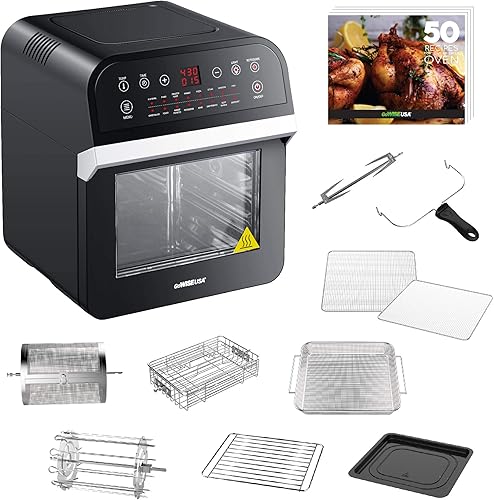
Fill your sink with warm water and a few drops of dish soap, then let the basket and tray soak for five to ten minutes if there is any stuck-on food. After soaking, use a soft sponge or brush to work off grease, paying close attention to the mesh or perforated bottom where fat collects. The GoWISE GW44800-O has a 12.7-quart capacity with touch controls and a stainless steel and plastic build, so its large basket benefits most from a short soak before scrubbing. Rinse thoroughly with warm water and dry with a towel before putting parts back.
Step 3: Wipe the Interior Cavity
Dip a microfiber cloth or paper towel in warm soapy water, wring it out well, and wipe down the inside walls and the heating element area at the top of the cavity. Use a dry cloth for a second pass to remove any moisture, since water near the heating element can cause problems if the unit is turned on while still damp. For a large-capacity model like the Nuwave 15.5-Qt Family Size, which holds 15.5 quarts and draws 1500 watts, the interior is roomy enough that you can reach all surfaces comfortably with a long cloth. Never spray water or cleaner directly into the cavity.
Step 4: Clean the Exterior
Wipe the outside of the unit with a lightly damp cloth to remove fingerprints, grease splatter, and dust. Touch-control panels are common on most air fryers and are sensitive to excess moisture, so wring the cloth thoroughly before going near them. Pay attention to the vents on the back and sides, where grease can build up and create odors if left alone. A quick wipe of the exterior after every few cooks keeps the appliance looking clean and prevents residue from hardening into something that requires real effort to remove.
How Often Should You Clean an Air Fryer?
The basket and tray should be cleaned after every single use, since even a light cook leaves behind fat and food particles that bake on harder with the next session. The interior cavity needs a wipe-down every three to five uses, or sooner if you notice smoke or an off smell during cooking. A deeper clean of the heating element area is worth doing once a month if you cook with the air fryer regularly. Staying consistent with this schedule adds years to the life of the nonstick coating and keeps food tasting clean rather than carrying over flavors from previous meals.
Common mistakes to avoid
- Using abrasive scrubbers or steel wool that scratch and destroy the nonstick basket coating
- Submerging the main unit in water or putting it near a sink while damp
- Skipping cleaning sessions and letting grease harden across multiple cooks
- Running cold water over a hot basket straight after cooking, which can warp the surface
- Spraying cleaning products directly into the interior cavity near the heating element
- Putting the basket back in while it is still wet, trapping moisture inside the unit
Frequently asked questions
Can I put my air fryer basket in the dishwasher?
It depends on the specific model. Some baskets are labeled dishwasher-safe by the manufacturer, but repeated dishwasher cycles can shorten the life of nonstick coatings even on parts that technically qualify. Hand-washing with warm soapy water and a soft sponge is gentler and takes only a few minutes, so it is the safer long-term habit regardless of what the manual says.
How do I get rid of a burnt smell coming from my air fryer?
A burnt smell usually means there is baked-on grease on the basket, tray, or the heating element area. Start by doing a thorough cleaning of all removable parts and wiping the interior cavity carefully. Once everything is clean and dry, run the unit empty at around 350 degrees F for three to five minutes to burn off any remaining residue, then let it cool and wipe again. If the smell continues after that, check the heating element for visible buildup.
Is it safe to use baking soda to clean an air fryer?
A paste of baking soda and water is safe for scrubbing stubborn spots on the basket, as long as you apply it gently with a soft brush and rinse completely afterward. Avoid using baking soda on the heating element or inside the main unit. It is mildly abrasive, so do not use it as your everyday cleaner on nonstick surfaces, but it can be useful a few times a year for grease that dish soap alone is not lifting.
How do I clean the heating element of an air fryer?
With the unit unplugged and fully cooled, turn it upside down so you can see the coil. Use a soft damp cloth or a toothbrush to gently brush away any residue or grease that has built up on or around the element. Do not use water directly on the element, and make sure the area is completely dry before you plug the unit back in. Do this once a month or whenever you notice smoke or odors during cooking.
Can I use cooking spray in an air fryer?
Aerosol cooking sprays that contain propellants can damage the nonstick coating on air fryer baskets over time and are best avoided. Instead, brush a small amount of neutral oil directly onto food or onto the basket before cooking. If you prefer a spray, look for a refillable oil sprayer that does not use propellant. This keeps the basket in good shape and makes it easier to clean after each use.