How to Clean a Sandwich Maker the Right Way
Recommended picks
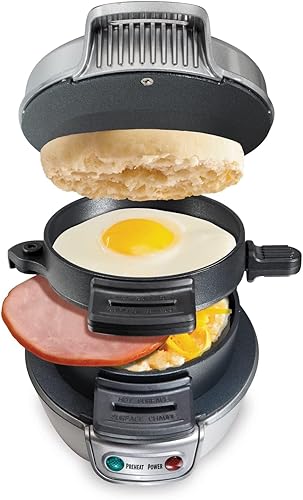


What You Need Before You Start
You do not need any special products to clean a sandwich maker well. Grab a soft sponge or microfiber cloth, a few paper towels, a small silicone or wooden spatula, and standard dish soap. Avoid steel wool, abrasive scrub pads, or harsh chemical sprays, since those strip nonstick coatings over time. A toothpick or soft pastry brush is handy for clearing crumbs out of hinges and edges. Have everything within reach before you open the lid so you can work while the appliance is still slightly warm.
Step-by-Step: Cleaning Fixed Plates
Most countertop sandwich makers, including popular models like the Hamilton Beach 25475 (600W, rated 4.4 stars across more than 45,000 reviews) and the Ovente GPS401B, have plates that do not detach. Start by unplugging the unit and standing it upright on its base if the design allows it, so gravity pulls crumbs away from the hinge. While the plates are still warm, lay a folded damp paper towel over each plate surface and close the lid gently for two to three minutes. Open the lid, then wipe the softened grease and crumbs away with your cloth, working from the back of the plate toward the front edge. Use a toothpick to clear any food packed into the grid grooves. Wipe with a second damp cloth to rinse, then leave the lid open until the plates are fully dry.
Cleaning Removable Plates
Some sandwich and panini makers, including the Hamilton Beach 25490MNA (1200W, 4.6 stars, about $50) and the Chefman RJ02-180-4-R (1000W, 4.5 stars across more than 8,000 reviews), are designed with plates that lift out for easier cleanup. Wait until the unit is fully cool, then pop the plates off according to your model's instructions. Wash them in warm soapy water with a soft sponge, rinse well, and dry before reinserting. Do not put them in the dishwasher unless the product packaging explicitly states they are dishwasher-safe, since heat and detergent cycles can degrade nonstick surfaces faster than hand washing. Wipe the interior cavity and hinge area of the base unit with a barely damp cloth, keeping water away from any vents or electrical components.
Dealing With Stuck-On Cheese and Grease
Melted cheese and fatty spreads are the most common cleaning headaches on a sandwich maker. The warm-damp-towel trick mentioned above handles most cases, but for really stubborn buildup, add a small drop of dish soap to the wet paper towel before pressing it against the plates. Let it sit for up to five minutes. Resist the urge to scrape with metal utensils or the corner of a knife blade, because scratches in the nonstick surface collect grease and eventually cause food to stick even more. A soft silicone spatula or the back of a wooden spoon gives you enough leverage to lift stuck bits without damage. If residue has baked on from repeated use, a paste of baking soda and a few drops of water applied with a soft cloth works well without scratching.
Cleaning the Outside and Drip Tray
Grease splatter on the exterior housing is easy to overlook but matters for hygiene and appearance. Wipe down the outside shell with a damp cloth and a tiny amount of dish soap, then dry right away so moisture does not seep into seams near the hinge or the power cord base. Many sandwich makers include a small drip channel or tray at the front to catch runoff from fillings. Empty it after every use and rinse it under the tap if it is removable, or wipe it clean with a damp paper towel if it is fixed. A buildup of old grease in the drip area can smoke or smell the next time the unit heats up.
How Often to Deep Clean
A quick wipe-down after every single use keeps the sandwich maker in good shape and makes deeper cleaning rare. Once a month, or whenever you notice any discoloration or sticky buildup that a quick wipe does not remove, do a more thorough clean of the plates, the hinge, the drip tray, and the exterior. Check the cord and plug for any grease that has dripped down during use and wipe those clean as well. Storing the sandwich maker with the lid slightly open lets any remaining moisture evaporate and prevents musty smells, especially if you keep it in a cabinet.
Common mistakes to avoid
- Submerging the entire unit in water or putting a non-removable sandwich maker under the tap
- Scrubbing nonstick plates with steel wool or abrasive pads, which scratches the coating and causes food to stick
- Cleaning while the plates are still hot, which can cause burns and may warp plastic housing
- Skipping the crumb clear-out around the hinge, where buildup can smoke or smell during the next use
- Assuming all removable plates are dishwasher-safe without checking the product manual first
- Storing the sandwich maker with the lid fully closed before the plates are completely dry, which traps moisture and odor
Frequently asked questions
Can I put my sandwich maker in the dishwasher?
The main unit with the heating element should never go in the dishwasher. If your model has removable plates, check the manual or the manufacturer's product page before putting them in the dishwasher. Even plates labeled as dishwasher-safe often last longer with gentle hand washing, since repeated dishwasher cycles can wear down nonstick coatings faster.
How do I get melted cheese off the plates without scratching them?
The easiest method is to lay a damp paper towel on the plate while it is still warm, close the lid for two to three minutes, then wipe the softened cheese away with a soft sponge. For anything that has fully hardened, a paste of baking soda and water left for a few minutes will lift it without abrasion. Always avoid metal utensils and steel wool.
Is it safe to use soap directly on the nonstick plates?
Yes, a small amount of standard dish soap on a soft sponge or cloth is fine for nonstick plates and will not damage the coating. The main things to avoid are abrasive scrubbers, very harsh degreasers, and leaving soap residue on the surface, so always rinse with a damp cloth after using soap.
How do I clean the hinge area where crumbs get stuck?
A dry pastry brush or a clean toothbrush works well for brushing crumbs out of the hinge without pushing them deeper into the mechanism. A toothpick can clear compacted crumbs in tight corners. Avoid spraying water or cleaner directly into the hinge because moisture near the pivot point can cause rust or stiffness over time.
My sandwich maker smells burnt even after cleaning. What should I do?
A burnt smell after cleaning usually means grease has baked onto a surface you did not reach, most often the drip tray, the back of the plates near the hinge, or the underside of the lid. Do a close inspection of all those areas and clean with the warm-damp-towel method. If the smell persists after a thorough clean, run the unit briefly with the lid open and nothing inside in a ventilated area to burn off any remaining residue.