Flat vs Grooved Plates: Which Sandwich Maker Is Right for You
Recommended picks
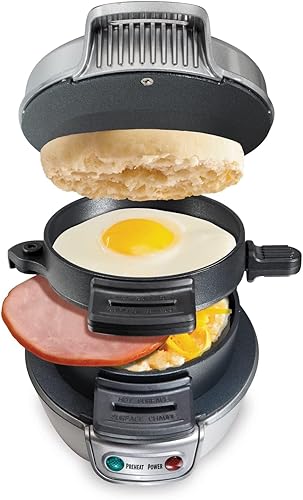


What Flat Plates Actually Do
A flat cooking surface presses the bread flush against both top and bottom plates at once, so heat transfers uniformly from edge to edge. This is ideal for sandwiches with a lot of filling, because the even pressure keeps ingredients from squeezing out the sides. Flat plates also work well for softer breads like white sandwich bread or brioche, which can get crushed or torn by raised ridges. Cleanup is straightforward since there are no grooves to trap food. The main tradeoff is that flat plates leave no visible marks, so the finished sandwich looks toasted rather than grilled.
What Grooved Plates Actually Do
Grooved or ridged plates have raised lines that press into the bread and create the crosshatch or parallel marks associated with panini and grilled sandwiches. The channels between ridges let rendered fat and excess moisture drain away from the surface instead of pooling under the bread, which can improve texture on fattier fillings like sausage or bacon. Because only the raised ridges make direct contact with the bread, the overall crust on a grooved-plate sandwich tends to be crispier in stripes with softer spots between. Thicker, sturdier breads like ciabatta, sourdough, or focaccia hold up better on grooved surfaces than thin sandwich bread does.
How Wattage Interacts With Plate Style
Plate style and wattage work together to determine how fast your sandwich browns. A flat-plate machine at 600 watts, like the Hamilton Beach 25475, heats a small surface area and reaches cooking temperature quickly for its compact size. A larger grooved-plate press typically draws more power to heat a bigger surface, so a machine at 1000 to 1200 watts can maintain higher temperatures even when cold food goes in. If you want grill marks on thick ciabatta, you need enough wattage to keep the plates hot while pressing down on dense bread. Underpowered grooved plates often produce pale, uneven marks rather than the clean sear most people expect.
Plate Material and Nonstick Performance
Beyond the shape of the surface, the material under any coating matters for long-term performance. Aluminum and ceramic plates tend to heat more evenly than steel at lower wattages, which reduces hot spots. Stainless steel bodies, like those on the Chefman RJ02-180-4-R, add durability to the outer housing without affecting the cooking surface directly. Most consumer-grade sandwich makers use a nonstick coating on the plates regardless of whether they are flat or grooved. That coating is what keeps cheese and egg from bonding to the surface, so the profile of the plate matters less than keeping the coating intact by using silicone or wooden utensils and avoiding abrasive scrubbers.
Removable vs Fixed Plates
Some sandwich makers, including the Hamilton Beach 25490MNA, ship with plates that can be swapped out, which lets you switch between flat and grooved surfaces without buying a second machine. Fixed plates cost less and have fewer parts to wear out, but you are committed to one style. If you are trying to decide between the two plate shapes and do not want to choose, a removable-plate model is a practical middle ground, though the hinge and locking mechanism tends to add weight and a bit of bulk to the footprint. For a single-purpose machine that you will use primarily for one type of sandwich, fixed plates are lighter and simpler.
Which Plate Style Fits Common Sandwiches
Grilled cheese, egg sandwiches, and pocket-style sandwiches all work better on flat plates because the sealed edge traps the filling and the uniform contact melts cheese evenly. Panini with cured meats, pressed Cuban sandwiches, and any sandwich where you want visible grill marks benefit from grooved plates. Quesadillas and wraps can go either way, though flat plates are more forgiving because the tortilla stays fully in contact. If your household eats mostly quick breakfast sandwiches on weekdays, a flat-plate model in the $17 to $30 range, like the Elite Gourmet ESM2207XSS or the Hamilton Beach 25475, covers the need without extra complexity.
Common mistakes to avoid
- Choosing grooved plates because they look more impressive, then only ever making grilled cheese where flat plates would work better
- Pressing down hard on grooved plates with thin bread, which tears the surface and sticks in the ridges
- Using metal utensils on nonstick plates, flat or grooved, which scratches the coating and causes sticking within a few months
- Buying a low-wattage grooved-plate press and expecting sharp, defined grill marks; underpowered plates produce pale, soft impressions
- Not preheating the press long enough before adding the sandwich, which causes the bread to stick before a crust can form
- Overfilling sandwiches on flat-plate machines and then forcing the lid closed, which pushes filling out the sides and burns it on the plates
Frequently asked questions
Can I get grill marks from a flat-plate sandwich maker?
No. Flat plates make full surface contact with the bread, so they toast and seal but do not create ridged impressions. If grill marks are important to you, you need a machine with raised ridges on the plates. Flat-plate machines trade that visual detail for more even heating and better edge sealing.
Is one plate style easier to clean than the other?
Flat plates are generally easier to wipe down because there are no grooves to trap melted cheese or seasoning. Grooved plates require a bit more attention in the channels, especially after cooking anything with fat or cheese that drips into the ridges. A soft brush or damp cloth worked along the grooves while the plates are still warm makes the job much faster.
Do grooved plates cook faster than flat plates?
Not inherently. Speed depends on wattage and plate size, not on whether the surface is flat or ridged. A 1200-watt grooved-plate press like the Hamilton Beach 25490MNA will cook faster than a 600-watt flat-plate model, but that difference comes from wattage, not plate shape. At the same wattage and surface area, flat and grooved plates heat at roughly the same rate.
What bread works best on grooved plates?
Thick, sturdy breads hold up best on grooved surfaces because the raised ridges concentrate pressure into narrow lines rather than supporting the whole slice. Ciabatta, sourdough, French bread, and focaccia all handle grooved plates well. Thin sandwich bread or soft brioche can tear or compress unevenly, making flat plates a better fit for those.
Should I get removable plates if I am not sure which style I want?
Removable plates are a reasonable solution if you genuinely cook a wide variety of sandwiches. The Hamilton Beach 25490MNA is a well-reviewed option in that category with over 25,000 buyer ratings and a 4.6-star average. The tradeoff is a higher price and a slightly heavier machine compared to fixed-plate models at the same wattage.