How Many Tiers Do I Need in a Food Steamer?
Recommended picks

What a Tier Actually Gives You
Each tier is a separate basket that sits above the water reservoir, letting steam rise through all levels at once. Adding a tier increases total capacity without widening the countertop footprint, which is the main reason multi-tier designs exist. The tradeoff is height: a three-tier electric food steamer can stand 14 inches or taller, which may not clear the bottom of your kitchen cabinets. Before counting tiers, measure the clearance above where you plan to set the steamer.
Single Tier: Best for Small Households and Simple Meals
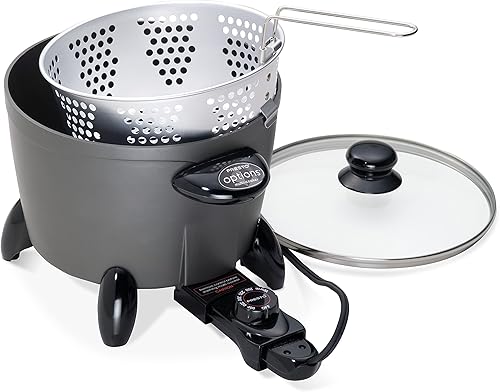
A one-tier steamer is honest about what it does. It handles one food category at a time, whether that is a single serving of vegetables, a portion of fish, or a bowl of rice. The Presto 06003 is a single-bowl food steamer with a 6-quart capacity and a 4.6-star rating from over 5,500 buyers, priced around $45. That capacity is enough for two to three servings of broccoli or a couple of chicken pieces without the extra height of stacked baskets. If you steam the same type of food every night and rarely cook for a crowd, one tier is all you need.
Two Tiers: The Most Practical Choice for Couples and Small Families
Two tiers let you steam a protein on the bottom and a vegetable or grain on the top at the same time, finishing your whole meal in a single cycle. This is where most buyers land because it balances cooking flexibility against footprint and price. Capacity across two stacked baskets commonly lands in the 7 to 10 quart range total, which feeds two to four people comfortably. The Secura DZG-A80A1 is a stainless steel food steamer with 8.5 quarts of total capacity and a 4.3-star rating from over 1,000 buyers at around $129. That combination of size and durable construction makes it a reliable pick for two-tier everyday cooking.
Three or More Tiers: When Bigger Families or Batch Cooking Justify It
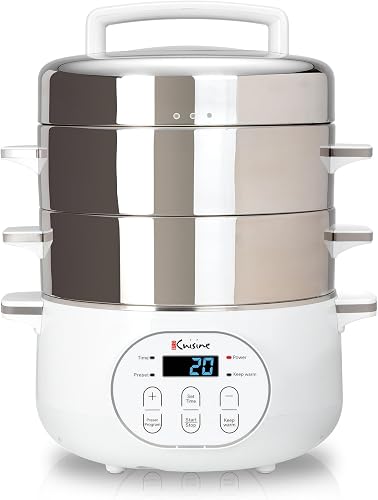
Three tiers make sense when you are cooking for four to six people and want to run a full spread of foods simultaneously. You might place fish on the top tier, dumplings in the middle, and leafy greens at the bottom, all done at once. The Euro Cuisine FS2500 is a stainless steel food steamer with a large 17-quart capacity and a 4.3-star rating from 150 buyers, priced around $180. That kind of capacity is practical for families who batch-cook on weekends or regularly steam dim sum portions. The counterpoint is cleanup: more tiers mean more baskets to wash, and the full stack takes up meaningful cabinet storage.
Foods That Benefit From Separate Tiers
Not every meal needs segregated tiers, but some do. Fish releases liquid and odor that can migrate into delicate dumplings or sticky rice if they share the same basket, so separating them by tier avoids flavor transfer. Foods with very different cook times benefit from separate tiers too: you can place quick-cooking vegetables on an upper tier and add them partway through a longer protein cook, then remove one basket while the other finishes. If you mostly steam one vegetable at a time or reheat single portions, the tier count matters less than total capacity.
Capacity Matters as Much as Tier Count
A deep single-tier steamer with 8 quarts can hold more food than a shallow two-tier model with 5 quarts combined. When comparing steamers, add up the total quart capacity across all tiers rather than just counting the baskets. Wider, deeper baskets also let you lay fish fillets flat or fit a full ear of corn without bending. Tall but narrow tiers may look impressive on a spec sheet but limit the size and shape of food you can actually cook.
Common mistakes to avoid
- Choosing three tiers because it sounds like more value, then finding the stack too tall for cabinet clearance
- Comparing tier counts without checking total capacity in quarts across all baskets
- Buying a wide-footprint multi-tier steamer when a compact two-tier would fit the same number of people
- Ignoring that more tiers means more parts to clean and store after every use
- Assuming all tiers cook at the same speed when foods with different densities may finish at different times
- Picking a single-tier steamer for a family of four and then overcrowding the basket, which blocks steam circulation
Frequently asked questions
Is a two-tier steamer better than a one-tier for everyday cooking?
For most people, yes. Two tiers let you cook a protein and a vegetable at the same time so the whole meal is ready together. A one-tier steamer works fine if you only steam one type of food per session or are cooking for one person. The extra tier adds height but not much counter width.
Can I use just one tier of a multi-tier steamer?
Yes, most multi-tier electric food steamers let you stack only the baskets you need and leave the rest in the cabinet. Running fewer tiers slightly shortens the steam path, which can speed up cook times for small batches. Check the manual, but most models work normally with any combination of their included tiers.
Do foods on different tiers cook at the same rate?
Not always. The bottom tier closest to the steam source tends to run slightly hotter, so denser foods like chicken pieces or root vegetables are often placed there. Quick-cooking greens or fish fillets go on an upper tier so they do not overcook while heartier items finish. With practice you will learn your steamer's heat distribution and adjust placement accordingly.
How many tiers do I need to cook a full dim sum spread?
Three tiers is the practical minimum for a proper dim sum session at home, since you typically have dumplings, rice rolls, and sticky rice all going at once. A large-capacity steamer like the Euro Cuisine FS2500 with 17 quarts of stainless steel basket space handles those multiple categories without needing a second cook cycle. For smaller dim sum batches, a two-tier steamer works if you are willing to cook in rounds.
Does more tiers mean the steamer takes longer to heat up?
A taller stack does mean more air volume to fill with steam before cooking really gets going, so yes, three-tier models may take a minute or two longer to reach full steam than a single-tier unit from the same reservoir size. The difference is usually small in absolute terms, but it is worth factoring in if you rely on your steamer for quick weeknight meals.