Electric Steamer vs Stovetop Steamer: Which One Is Right for You
Recommended picks
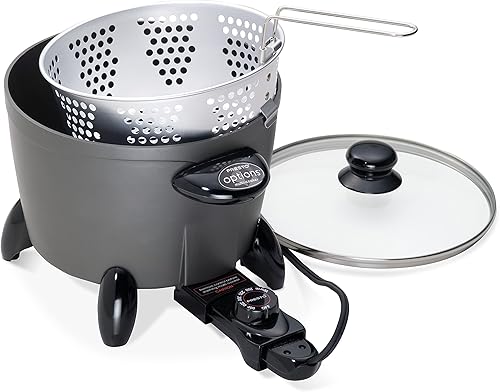


How Each Type Works
An electric food steamer has a built-in water reservoir at the base. You fill it, load the basket or tiers with food, set a timer, and the unit heats the water and directs steam upward through the food. A stovetop steamer is a perforated insert or collapsible basket that sits inside or on top of a pot you already own. You bring the water to a boil on your burner, drop in the basket, and monitor the food yourself. Neither method uses oil or dry heat, so both preserve vitamins and keep food moist.
Capacity and Tiers
Electric steamers tend to offer more structured capacity because most models stack two or three tiers, letting you cook vegetables on one level and fish or dumplings on another at the same time. The Presto 06003, for example, holds 6 quarts across its ceramic tray, which covers a full family dinner. The Secura DZG-A80A1 steps up to 8.5 quarts in a stainless steel build, useful when you are cooking for more people or want leftovers. Stovetop baskets collapse to fit almost any pot, but they are a single tier, so cooking multiple foods at once means swapping items in and out.
Convenience and Control
The biggest practical difference is whether you have to stand at the stove. Electric steamers free you up, because once the water is in and the timer is running, there is nothing to watch. A stovetop setup ties up one burner and asks you to check the water level and monitor the boil, especially for longer cook times like whole potatoes or thick cuts of chicken. If your household routine involves cooking dinner while doing other things, the hands-free nature of a countertop electric steamer is a real quality-of-life upgrade.
Cost and Counter Space
Stovetop steamers are almost always the cheaper choice, sometimes under twenty dollars for a collapsible stainless steel insert. Electric steamers range from around thirty five dollars for a basic single-tier unit up to well over a hundred for larger multi-tier stainless steel models like the WMF 415090011, which runs about 182 dollars and delivers a compact 4.5 quart capacity in a polished countertop form. The trade-off is permanent counter space or cabinet storage for a larger appliance versus a stovetop basket that slips into a drawer. If your kitchen is small and your steaming is infrequent, the stovetop path makes practical sense.
Cleaning and Maintenance
Most electric steamer baskets and trays lift out and are easy to rinse, though you should also descale the water reservoir every few weeks depending on your tap water hardness. A simple white vinegar soak handles mineral buildup. Stovetop inserts are even simpler to clean, since there is no reservoir and most are one piece of metal or silicone that goes straight in the dishwasher or rinses under the tap. Neither type is difficult to maintain, but the electric steamer adds one extra cleaning step with the water tank.
Who Should Buy Each Type
Buy an electric food steamer if you steam vegetables, fish, dumplings, or grains regularly, want set-and-forget convenience, or are cooking for more than two people. The Presto 06003 at around 45 dollars is a strong entry point for everyday family use, while the Secura DZG-A80A1 at roughly 129 dollars suits cooks who want a larger stainless steel build and more capacity. Stick with a stovetop steamer if you already have a good pot, steam only a few times a month, and prefer not to add another countertop appliance. Both are genuinely useful tools, and the right choice comes down to how often you steam and how much counter space you are willing to give up.
Common mistakes to avoid
- Overfilling the water reservoir, which can cause water to spit up into the basket and make food soggy
- Stacking food too tightly in the basket so steam cannot circulate evenly around each piece
- Forgetting to descale the electric steamer reservoir, leading to mineral buildup that slows heating over time
- Using a stovetop steamer with too little water in the pot, which boils dry and burns the pan before the food is done
- Crowding multiple food types with very different cook times into the same tier without staggering when you add them
- Skipping the lid on a stovetop setup, which lets steam escape and dramatically extends cooking time
Frequently asked questions
Is food from an electric steamer as good as from a stovetop steamer?
Yes, the cooking method is identical in both cases. Steam is steam, regardless of whether it comes from a dedicated electric appliance or a pot on your burner. The difference is convenience and control, not food quality. Both methods keep nutrients intact and produce moist, tender results.
Can I use an electric steamer for reheating leftovers?
Electric steamers work well for reheating rice, vegetables, and dumplings because the moist heat keeps food from drying out the way a microwave can. Set a short timer, usually three to five minutes, and check early. It is one of the more practical uses for a countertop food steamer beyond first-cook meal prep.
How much water do I put in an electric steamer?
Follow the fill line marked on your specific model's reservoir. Most home electric steamers take roughly one to two cups of water for a standard 20 to 30 minute cook session. For longer cooks, some models allow you to add water mid-cycle through a side fill port without opening the lid.
Does an electric steamer use a lot of electricity?
Electric food steamers are relatively energy-efficient compared to running an oven. Most home models draw less power than a toaster or electric kettle and cook in a short enough window that the overall energy draw per meal is low. They are a practical choice for anyone trying to keep energy use down while still cooking hot meals.
What foods should I avoid steaming?
Delicate herbs lose flavor and color quickly under steam, so add them fresh after cooking. Pasta and grains made with raw flour need boiling water, not steam, to cook properly. Very fatty meats like skin-on pork belly also do not benefit much from steaming since the fat does not render the same way it does with dry or radiant heat.