Induction vs Electric Burner: Which One Actually Costs Less?
Both types plug into a standard outlet, but they handle electricity very differently, and that gap shows up on your bill.
If you are shopping for a portable countertop burner, you will quickly notice two kinds: induction burners that use a magnetic field to heat the pan directly, and electric coil or ceramic burners that heat a surface which then heats the pan. The price tags overlap a lot, so the real question is which type costs less to run over time. The answer depends on wattage, how long you cook, and how much your utility charges per kilowatt-hour, but induction generally wins on efficiency by a meaningful margin.
Products mentioned in this post
- Elite Gourmet
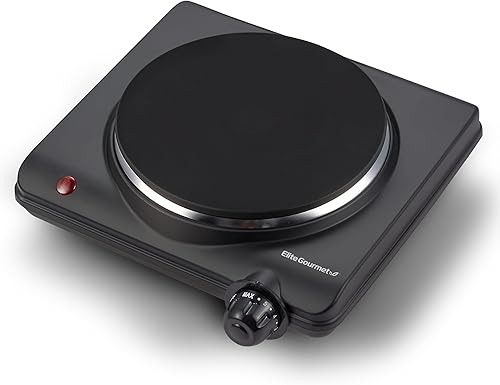
Elite Gourmet ESB-301BF Countertop Burner
$16.991,000+ bought last monthView on Amazon


How Each Type Uses Electricity
A traditional electric burner heats a coil or ceramic glass surface, and that surface transfers heat to your pan. Some of that heat radiates into the air around the pan, which is wasted energy. An induction burner skips the middle step: it generates a magnetic field that creates heat inside the pan itself, so almost none of the energy goes to warming the surrounding air. Most electric coil and radiant burners convert roughly 70 to 75 percent of the electricity they draw into useful cooking heat. Induction burners typically land between 85 and 90 percent efficiency. Over hundreds of cooking sessions, that gap adds up.
Wattage: What the Numbers on the Box Mean
Both burner types are commonly sold in 1000W, 1100W, 1500W, and 1800W versions. A budget electric burner like the Imusa GAU-80305 draws 1100W, while popular induction models such as the duxtop BT-180G3 draw 1800W at peak but reach cooking temperature faster and can be dialed down to lower power levels with precision. Drawing more watts does not automatically mean spending more, because an induction burner that boils water in four minutes instead of eight uses roughly the same energy for that task even though its peak draw is higher. The key figure is watt-hours consumed per meal, not the maximum wattage on the label.
Running Cost by the Numbers
At the US average electricity rate of around 16 cents per kilowatt-hour, running a 1800W burner for one hour costs about 29 cents. A 1100W electric coil burner for the same hour costs about 18 cents in raw watts. But because the induction burner reaches temperature faster and loses less heat, many cooking tasks that take 20 minutes on an electric coil can finish in 12 to 14 minutes on induction. When you account for actual cook time rather than just wattage, the daily cost difference between the two often comes out under five cents per cooking session. Over a full year of daily use that is still a real saving, but it will not pay back a big price premium on its own.
Upfront Cost Comparison
This is where the gap is clearest. A solid budget electric single burner costs between 14 and 30 dollars. The Elite Gourmet ESB-301BF, for instance, is widely available around 17 dollars and has earned tens of thousands of buyer reviews. Entry-level induction burners start closer to 40 to 60 dollars, and name-brand models with digital controls often run 70 to 130 dollars. If you cook lightly and mainly need a backup burner for the occasional pot of soup, the energy savings from induction may never justify the higher starting price. If you cook daily for a family, the efficiency gains start to matter more and the math can favor induction within a year or two.
Safety and Indirect Savings
Induction burners have one practical advantage that is easy to overlook: the cooking surface itself stays much cooler because it is the pan, not the glass, that gets hot. This reduces the risk of accidentally burning a hand on a hot surface and means food that drips or splashes does not bake onto a scorching element. That makes cleanup faster and can extend the life of the unit. Electric coil and ceramic burners stay hot long after you turn them off, which matters if you have kids or pets in the kitchen and adds a cooling-down period before you can wipe the surface clean.
Which One Should You Buy?
If you already own induction-compatible cookware and you cook at home most days, an induction burner delivers real efficiency gains, faster heat-up, and a safer surface for a modest price premium that most people will recover within a year of regular use. If you cook occasionally, have non-magnetic cookware, or simply need the cheapest possible backup burner for a rental or dorm room, a basic electric coil model gets the job done for under 20 dollars and works with everything. There is no wrong answer, only the right fit for how often you cook and what pans you already have.
Frequently asked questions
Does an induction burner use less electricity than an electric burner?
Generally yes. Induction burners convert 85 to 90 percent of the electricity they draw into cooking heat, while electric coil and ceramic burners convert closer to 70 to 75 percent. The rest is lost as heat in the surrounding air. The actual savings per session are small, around a few cents, but they add up with daily use over months and years.
Can I use my existing pots and pans on an induction burner?
Only if they are made with magnetic material. Cast iron and most stainless steel pans work fine. Aluminum, copper, glass, and ceramic pans without a magnetic insert will not work. The easiest test is to hold a fridge magnet against the bottom of your pan: if it sticks firmly, the pan is induction-compatible.
Which burner type is safer to use at home?
Induction burners are generally considered safer for everyday home use because the glass surface stays relatively cool, the heating stops almost instantly when you remove the pan, and there is no open flame. Electric coil and ceramic burners stay hot for several minutes after being turned off, which raises the risk of accidental contact burns. Both types are safe when used correctly.
Is an induction burner worth the higher upfront price?
It depends on how often you cook and whether you already own compatible pots. For someone who cooks daily and has magnetic stainless steel or cast iron cookware, the speed, efficiency, and easier cleanup make induction worth the extra cost. For occasional cooking or if you need to buy new cookware too, the economics are less clear and a basic electric burner may be the smarter buy.
How much does it cost to run a countertop burner for an hour?
At a typical US electricity rate of about 16 cents per kilowatt-hour, a 1800W burner at full power for one hour costs around 29 cents. A 1100W electric coil burner for the same period costs about 18 cents. In practice you rarely run either at full power for a full hour, so your actual daily cost is usually well under 15 cents per cooking session.