What to Cook in Your Air Fryer First (and How to Nail It)
The best beginner foods for your air fryer and a few quick tips to get off to a great start.
Unboxing a new air fryer is exciting, but that first blank stare at the empty basket is real. You want something that comes out well on the first try so you feel confident using it again. The good news is air fryers are pretty forgiving, and a handful of foods are practically guaranteed to impress right out of the gate. Start with these, get a feel for your machine, and you will be experimenting with confidence in no time.
Products mentioned in this post

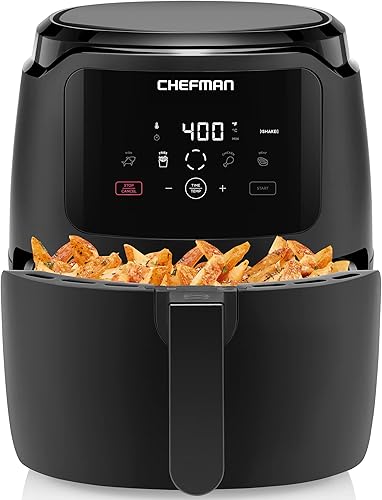

Frozen French Fries: The Classic Starter
Frozen fries are the go-to first cook for a reason. They are already portioned, seasoned, and designed to crisp up fast in circulating hot air. Spread them in a single layer in the basket, set the temperature to about 400 degrees F, and cook for 15 to 18 minutes, shaking the basket halfway through. You will get a crunch that a conventional oven can rarely match without a fraction of the waiting around. They are also forgiving if you overshoot by a couple of minutes, so there is no pressure.
Chicken Wings: Where Air Fryers Shine
Chicken wings are one of the best advertisements for what an air fryer can do. The circulating hot air renders the fat under the skin quickly, which gives you crispy skin without deep frying. Pat the wings dry before they go in, season them however you like, and cook at 380 to 400 degrees F for about 20 to 25 minutes, flipping once at the halfway mark. Sauce them after cooking, not before, so the coating does not burn. Fresh or thawed wings both work well.
Roasted Vegetables for a Quick, Healthy Side
Vegetables like broccoli, Brussels sprouts, zucchini, and bell peppers roast beautifully in an air fryer. Toss them in a light coating of oil and a pinch of salt, then cook at 375 degrees F for 10 to 15 minutes depending on how thick they are cut. The hot air caramelizes the edges in a way that steaming or even oven roasting often cannot match in the same short time. Cut pieces roughly the same size so they finish together, and avoid overcrowding the basket.
Reheating Leftover Pizza and Fried Foods
One of the most underrated uses for an air fryer is reheating food that usually goes soggy in the microwave. A slice of pizza goes in at around 350 degrees F for 3 to 4 minutes and comes out with a crispy bottom and melted cheese, not a rubbery mess. Leftover fried chicken, spring rolls, or onion rings come back to life in a similar way. If you have been microwaving leftovers out of habit, this alone may convince you the air fryer earns its counter space.
Salmon Fillets for an Easy Weeknight Dinner
Salmon cooks quickly and cleanly in an air fryer, and cleanup is minimal. Season a fillet with salt, pepper, and a little olive oil, then cook at 400 degrees F for about 7 to 10 minutes depending on thickness. The outside firms up nicely while the inside stays moist. Because the air fryer is a contained environment, there is far less fishy smell compared to pan frying or broiling. Thinner fillets will need less time, so check a couple of minutes early on your first try.
Bacon Without the Splatter
Cooking bacon in an air fryer is one of those small revelations. Lay strips flat in the basket, overlapping as little as possible, and cook at 350 to 375 degrees F for 8 to 12 minutes. Fat drips down away from the bacon as it cooks, so the strips crisp up without sitting in grease. There is no hot-oil splatter on your stovetop and very little cleanup. Thicker-cut bacon will take the full 12 minutes; thin-cut can be done closer to 7 or 8.
A Few Tips for Your First Few Cooks
Preheat the air fryer for 3 to 5 minutes before adding food, the same way you would warm up an oven. Do not stack food or pack the basket too tightly, since airflow is what does the work. Check food a few minutes before the suggested time on your first attempt because every air fryer runs a little differently. A light mist of cooking spray on the basket before most foods will make cleanup easier and help prevent sticking. Once you cook those first few batches, you will have a solid sense of how your specific machine performs.
Frequently asked questions
Do I need to preheat my air fryer before cooking?
Preheating is not strictly required, but it makes a noticeable difference in how evenly food cooks and how crispy it gets. Most air fryers reach temperature in 3 to 5 minutes. Think of it the same way you would preheating a conventional oven before baking.
Can I use oil in an air fryer?
Yes, and a small amount often improves results. A light spray or toss in oil helps food crisp and prevents sticking, especially with vegetables and proteins. You do not need much, just enough to lightly coat the surface. Avoid aerosol sprays with propellants that can damage nonstick coatings over time.
Why does my food come out soggy instead of crispy?
Soggy results almost always come from overcrowding the basket or not drying the food beforehand. Air fryers work by circulating hot air around food, and if pieces are stacked on top of each other, the air cannot reach all the surfaces. Cook in batches if needed, and pat proteins and vegetables dry before seasoning.
What size air fryer do I need for a family?
For one or two people, a 4 to 6 quart basket air fryer handles most meals with room to spare. For a family of four or more, look at 7 quarts and up, or consider an oven-style air fryer that lets you use multiple racks at once. Cooking in batches with a smaller unit works fine but adds time.
Is air-fried food actually healthier than deep-fried food?
Air frying uses significantly less oil than deep frying, which reduces the total fat and calories in most dishes. Foods that are naturally low in fat come out similarly to how they would from a conventional oven. That said, air frying does not change the nutritional profile of the food itself, just how it is cooked.