How to Use an Electric Food Steamer: A Beginner's Guide
Electric steamers are one of the easiest countertop appliances to use once you know the basics.
An electric food steamer is a simple appliance, but a few small mistakes can lead to mushy vegetables or food that is still raw in the middle. The good news is that the technique is easy to learn and very forgiving once you get the hang of it. Whether you picked up a compact two-tier model or a larger stainless steel unit, the core process is the same. This guide walks you through setup, water levels, timing, and a handful of tips that will make steaming a regular part of your cooking routine.
Products mentioned in this post


What You Need Before You Start
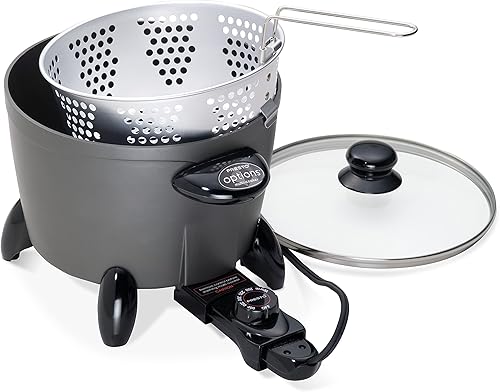
Before your first use, wash all removable baskets, lids, and the water reservoir with warm soapy water and rinse well. Check your manual for a break-in cycle, which some brands recommend to remove any plastic or manufacturing odors. Place the steamer on a stable, heat-resistant surface away from cabinets because the vent releases a steady stream of hot steam. Keep a clean kitchen towel nearby for lifting lids, since the lid and baskets get very hot during operation. Have your ingredients prepped and cut to similar sizes before you turn the unit on, because steaming goes faster than most people expect.
How Much Water to Add
Water level is the most important variable to get right. Most countertop steamers have a minimum and maximum fill line marked on the reservoir, and you should stay between those marks every time. For short cooks of 10 minutes or less, filling to the midpoint is usually enough. For longer cooks, such as steaming whole potatoes or a full chicken breast, fill closer to the maximum line so the unit does not run dry midway through. Never run the steamer without water, since the heating element can burn out quickly without water to boil. If you are doing a long cook and the reservoir runs low, carefully open the fill port and add hot water rather than cold to avoid a big temperature drop.
Loading the Baskets Properly
Spread food in a single layer whenever possible rather than piling it up, because steam needs to circulate around each piece to cook it evenly. If your steamer has multiple tiers, put denser foods that take longer in the lower basket, which sits closest to the steam source, and put quicker-cooking items in the upper tier. For example, a thick piece of salmon in the bottom tier and broccoli florets in the top tier can finish at roughly the same time. Do not press the lid down hard on overloaded baskets, since a poor seal means more steam escapes and cook times go up. If you are cooking foods with strong flavors like fish, place them in the lowest basket so the drips do not fall onto other foods.
Setting the Timer and Temperature
Most home electric steamers run at one fixed temperature, which is the boiling point of water at around 212 degrees Fahrenheit, so the main control you adjust is the timer. Vegetables like broccoli and green beans typically need 5 to 8 minutes, while denser foods like carrots or beets can take 15 to 20 minutes. Fish fillets usually finish in 8 to 12 minutes depending on thickness. Grains and legumes need more water and longer times, so check your manual or the grain-specific guidance before loading the basket. It is always smarter to check early and add a couple more minutes than to overcook, since you cannot uncook mushy vegetables.
How to Check for Doneness
When the timer goes off, tilt the lid away from you so the steam escapes away from your face and hands before you reach in. Use a fork or a thin skewer to test doneness, poking into the thickest part of the food. Vegetables should be tender but still have a little resistance, a sign they kept their texture and most of their nutrients. Fish should flake easily and look opaque all the way through rather than translucent in the center. If something needs more time, replace the lid and add two to three minutes, checking again before removing the food.
Cooking Two Different Foods at Once
One of the best tricks with a multi-tier steamer is staggering the start times so everything finishes together. Start the food that takes the longest first, then add the faster-cooking basket partway through. For example, if potatoes need 20 minutes and green beans need 7 minutes, start the potatoes and add the green beans with about 8 minutes left on the timer. This takes a little planning but saves you from juggling multiple pots or ending up with one overcooked item while you wait for another. Keep a simple cheat sheet of your favorite foods and their steam times on the fridge until the timing becomes second nature.
Cleaning Up After Each Use
Empty the water reservoir after every use because sitting water can develop mineral deposits and, over time, mold. Wipe the heating base with a damp cloth once it has cooled completely, never submerging the base in water. The baskets and lids on most models are dishwasher-safe on the top rack, but hand washing is gentler on plastic parts. If you see white mineral buildup inside the reservoir, fill it with equal parts white vinegar and water, run a short steam cycle, then rinse thoroughly. A clean steamer not only lasts longer but also keeps food tasting fresh without any lingering odors from previous meals.
Frequently asked questions
Can I use broth instead of water in my electric steamer?
Some people add broth to the reservoir to lightly flavor food with rising steam, but most manufacturers advise against it. Broth can leave behind starchy or salty residue that is harder to clean and may clog the heating element over time. A safer approach is to season the food directly with herbs or a little salt before steaming, or drizzle a sauce over it after cooking.
Why is my food coming out watery even though I steamed it?
Condensation dripping back onto food is the usual cause. Make sure the lid is seated properly so steam escapes through the vent rather than dripping down the sides. You can also give the lid a quick shake over the sink right after cooking to knock off the water before you remove it. Patting food lightly with a paper towel after steaming also helps.
Can I steam frozen vegetables without thawing them first?
Yes, frozen vegetables go straight from the bag into the steamer basket with no thawing needed. Just add a few extra minutes to the cook time, usually 3 to 5 minutes more than the fresh version, because the food needs to heat through before it starts to soften. Keep an eye on the water level since frozen food releases extra moisture as it heats.
Is it safe to leave a food steamer running unattended?
Most modern electric steamers have an auto-shutoff that triggers when the water runs out or when the timer expires, so a short absence is generally fine. That said, it is a good habit to stay close to the kitchen when any heat-producing appliance is running. If you need to step away for more than a few minutes, check the water level and timer before you go.
How do I get rid of the plastic smell in a new steamer?
Fill the reservoir to the midpoint with water and a splash of white vinegar, then run a full steam cycle with empty baskets. Discard the water, rinse the unit, and repeat once more with plain water. This usually clears the new-appliance smell within two cycles. If an odor persists, check the manual since some brands recommend a specific break-in procedure.