How to Clean a Portable Induction Cooktop
A few simple habits keep your induction cooktop spotless and working like new for years.
Portable induction cooktops are surprisingly easy to keep clean because the glass surface never gets hot enough to bake spills onto it. That said, ignoring drips or wiping with the wrong cloth can leave scratches or hazing over time. A little routine care after each use goes a long way, and tackling the occasional stubborn spot takes only a few common household supplies.
Products mentioned in this post
- Elite Gourmet
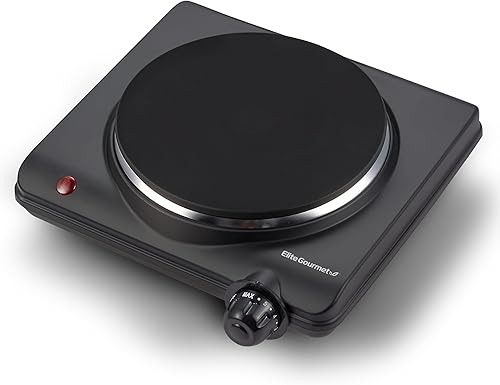
Elite Gourmet ESB-301BF Countertop Burner
$16.991,000+ bought last monthView on Amazon


What You Need Before You Start
Gather your supplies before the cooktop is even cold. You will want a few microfiber cloths, distilled white vinegar, a soft sponge, dish soap, and a plastic scraper or old credit card for stuck-on food. Avoid steel wool, abrasive scrubbing pads, and powdered cleansers, all of which can scratch the glass. Some people also keep a dedicated glass-ceramic cooktop cleaner on hand, which works well for heavy buildup.
Wait for the Surface to Cool
Always let the cooktop cool to room temperature before you start wiping. The glass surface on an induction unit does not get as hot as a traditional electric coil, but it can still retain heat from the pot sitting on it. Cleaning a warm surface with a cold damp cloth can stress the glass over many cycles. A five to ten minute wait is usually enough.
Everyday Cleaning After Each Use
Wipe the surface with a damp microfiber cloth after every cooking session. A small drop of dish soap on the cloth handles grease from oily pans or splatter. Rinse the cloth well and wipe again to remove any soap film, then dry with a clean cloth. This two-minute habit prevents residue from hardening and makes deeper cleaning sessions rare.
Removing Burnt-On Food and Stubborn Stains
For dried spills or light scorch marks, dampen the surface and let it sit for a minute to soften the residue. Then hold a plastic scraper at a very low angle, almost flat against the glass, and gently push the debris toward the edge. Follow up with a microfiber cloth dampened with a little white vinegar, which cuts grease and removes mineral haze without scratching. Wipe dry when you are done.
Dealing with Mineral Deposits and Water Spots
Hard water leaves a white, cloudy film on glass surfaces over time. A cloth dampened with undiluted white vinegar dissolves mineral deposits quickly. Let it sit on the spot for about 30 seconds, then wipe in circular motions. For heavy buildup, a dab of glass-ceramic cooktop cream applied with a soft cloth and buffed off works well. Avoid spraying any liquid directly onto the control panel area.
Cleaning the Edges and Control Panel
Food and grease like to collect in the gap between the cooktop surface and the housing. Use a cotton swab or the corner of a damp cloth to get into that seam. For touch controls or button panels, use a barely damp cloth and wipe gently. Never let water pool around the controls or drip into ventilation openings on the sides or bottom. Unplug the unit before cleaning anywhere near the controls.
What to Avoid
A few common mistakes shorten the life of the glass surface. Skip the abrasive sponges and steel wool pads, even for tough spots. Do not use bleach-based sprays or oven cleaner, which can damage the surface finish and the housing. Avoid sliding cast iron or rough-bottomed pans across the glass, since that causes micro-scratches that make the cooktop harder to clean over time. Using a trivet or silicone mat under rough cookware helps protect the surface.
Frequently asked questions
Can I use Windex or glass cleaner on my induction cooktop?
Regular glass cleaner can leave a streaky film on ceramic-glass cooktop surfaces and some formulas contain ammonia that may dull the finish over time. White vinegar diluted with water does the same job safely and cheaply. If you prefer a commercial product, choose one labeled specifically for glass-ceramic cooktops.
How do I get black burn marks off my induction cooktop?
Light scorch marks usually come off with a plastic scraper used at a very low angle, followed by a wipe with a damp cloth and a little white vinegar. For darker or older marks, a glass-ceramic cooktop cleaner cream applied with a soft cloth and buffed off in small circles works well. Deep pitting or cracks in the glass are not fixable with cleaning and may need a replacement surface.
Is it safe to use baking soda on an induction cooktop?
A paste of baking soda and a little water is a mild abrasive that many people use on glass-ceramic surfaces without issue. Apply it gently with a soft cloth, let it sit for a minute, then wipe off and rinse well. The key is to use a light touch and a soft applicator, not a scrubbing pad.
How often should I do a deep clean of my induction cooktop?
If you wipe it down after every use, a deeper cleaning session once or twice a month is plenty for most households. More frequent frying or cooking with heavy sauces may call for a weekly deep clean. The goal is to prevent buildup from hardening, which makes it much easier to maintain.
Will cleaning products damage the induction technology inside?
The induction components are sealed inside the housing and are not affected by surface cleaning. The main risk is liquid seeping through the edges or control panel openings and reaching the electronics. Always use a damp cloth rather than spraying liquid directly onto the unit, and dry the surface completely before plugging it back in.