How to Clean and Descale a Food Steamer the Right Way
A few minutes of regular care keeps your steamer performing like new and prevents mineral buildup from slowing it down.
Electric food steamers are about as easy to use as kitchen appliances get, but they do need regular cleaning to stay in good shape. Mineral deposits from tap water build up inside the base over time, and food residue can cling to the steaming trays if they sit too long after cooking. The good news is that cleaning a steamer is genuinely simple once you know the routine. A quick rinse after each use and a descaling session every few weeks is all it takes.
Products mentioned in this post
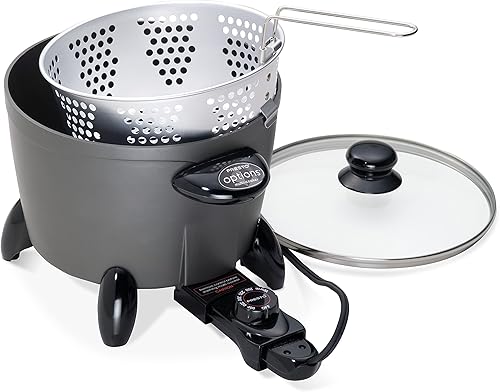


What You Need Before You Start
You do not need any special products to clean a food steamer. White vinegar is the best descaler for the water reservoir, and it costs almost nothing. A soft sponge or cloth handles the trays and lid, and a small bottle brush or old toothbrush is handy for the steam vents. Avoid steel wool or abrasive scrubbers, since they scratch plastic and can damage any nonstick coatings on the trays. Keep mild dish soap nearby for the baskets, but never use soap inside the water reservoir.
After Every Use: Quick Tray Cleaning
Once the steamer has cooled down, remove the trays and rinse them under warm running water right away. Food slides off much easier when it has not had time to dry and stick. Wash the trays and lid with a soft sponge and a small amount of dish soap, then rinse thoroughly and let them air dry or towel dry before stacking. Many plastic steamer trays are dishwasher safe on the top rack, so check your manual and use that shortcut when you can. The drip tray that catches condensation under the baskets gets grimy fast, so give that a rinse every time too.
Cleaning the Water Reservoir
Empty any leftover water from the reservoir after each use. Stagnant water encourages mineral deposits and can develop an off smell over time. Wipe the inside of the reservoir with a damp cloth, then leave the lid off for a few minutes to let it air out before putting the steamer away. Never submerge the base of an electric steamer in water, since that is where the heating element lives. A damp cloth and a dry follow-up is all the base needs on the outside.
How to Descale with White Vinegar
Descaling removes the white or gray chalky mineral deposits that build up from tap water. Fill the reservoir to its minimum fill line with a mixture of equal parts white vinegar and water. Run the steamer for about 10 to 15 minutes with the trays off, then unplug it and let the vinegar solution sit for another 20 minutes. Pour out the solution, rinse the reservoir with clean water, and run a full cycle with plain water before using it for food again. If your area has very hard water, plan to descale every two to three weeks instead of monthly.
Clearing Clogged Steam Vents
Mineral buildup can slowly block the small holes or vents that release steam into the trays. If your steamer seems to be producing less steam than it used to, clogged vents are often the reason. After descaling the reservoir, check the vents on the tray supports or the steam column with a flashlight. A damp toothbrush or a wooden toothpick can clear light buildup without scratching the plastic. Running a regular descaling cycle is usually enough to prevent serious clogs from forming in the first place.
Dealing with Stubborn Food Stains
Fish, broccoli, and other strong-smelling foods can leave stains or odors in the trays even after washing. Soaking the trays in a solution of warm water and a tablespoon of baking soda for 15 to 20 minutes lifts most stains and neutralizes odors. Rinse well afterward and wash with soap as usual. For stains on the lid, the same baking soda soak works well, and most lids are small enough to fit in a bowl or the sink. Lemon juice is another natural option that brightens plastic and cuts through grease.
How Often Should You Descale
In soft-water areas, descaling once a month is usually enough to keep performance strong. If you have hard water and use your steamer several times a week, every two weeks is a safer schedule. A simple sign that you are overdue is visible white coating on the inside walls of the reservoir, or noticeably weaker steam output. Setting a reminder on your phone takes the guesswork out of it entirely. Sticking to a regular descaling schedule extends the life of your steamer and keeps cook times consistent.
Frequently asked questions
Can I put food steamer trays in the dishwasher?
Many plastic steamer trays are dishwasher safe on the top rack, but check your model's manual before assuming. High heat in the bottom rack can warp lightweight plastic over time. The base of the steamer should never go in the dishwasher since it contains the heating element and electrical components.
What if I do not have white vinegar? Can I use lemon juice to descale?
Yes, lemon juice works as a natural descaling agent because the citric acid breaks down mineral deposits. Use the same ratio as vinegar, fill to the minimum line, and run the steamer for 10 to 15 minutes. Rinse the reservoir thoroughly with plain water and run one clean-water cycle before cooking. Citric acid powder dissolved in water is another option that works well and has no scent.
My steamer smells like fish even after washing. How do I get rid of it?
Soak the trays and lid in warm water with a tablespoon of baking soda for about 20 minutes, then wash with dish soap and rinse well. Running the steamer with a water-and-vinegar mix in the reservoir also helps clear odors from the steam column. Leaving the trays to air dry completely before storing them prevents smells from getting trapped.
How do I know if my steamer needs descaling?
Look inside the water reservoir for a white, chalky film or crust on the walls. Weaker steam output and longer cook times are also signs that mineral buildup is restricting the heating element. If you can see visible deposits or notice slower steaming, it is time to run a vinegar descale cycle right away.
Can I use commercial descaling tablets instead of vinegar?
Descaling tablets marketed for kettles and coffee makers work fine in food steamers, but always rinse the reservoir very thoroughly afterward and run at least one full cycle with plain water before cooking. White vinegar does the same job at a fraction of the cost and leaves no residue as long as you rinse well. Either approach is effective.