How Many Times Can You Reuse Frying Oil?
A practical guide to getting more mileage from your frying oil without sacrificing taste or safety.
Frying oil is not cheap, and pouring a fresh batch down the drain after one use feels wasteful. The good news is that most oils can handle multiple frying sessions if you treat them right. How many times is safe depends on what you fried, how hot you ran the oil, and how well you stored it between uses. Follow a few simple habits and you can stretch a bottle of oil across several cooks.
Products mentioned in this post
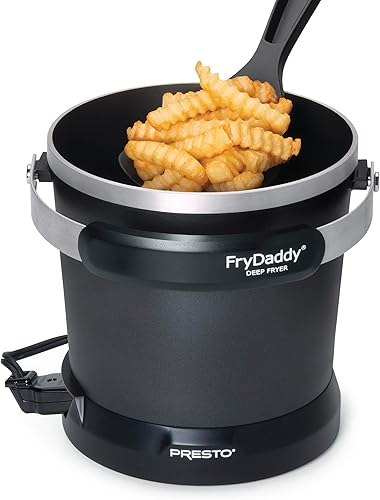
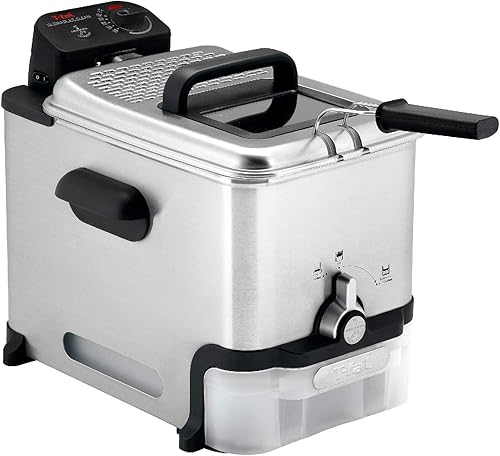

The General Rule of Thumb
For home deep frying, most cooks get 8 to 10 uses out of a batch of oil before flavor and quality start to noticeably decline. That number drops closer to 3 or 4 if you fried heavily breaded foods or coated fish, because the particles left behind break down the oil faster. On the other hand, a simple batch of french fries or donuts is gentler on the oil and will let you push toward the higher end of that range. Think of it as a sliding scale rather than a hard number.
What Degrades Oil Faster
Several things speed up oil breakdown. Heat is the biggest factor: running your fryer at 375 degrees Fahrenheit or higher ages the oil more quickly than frying at 325 to 350 degrees Fahrenheit. Food particles left in the oil continue to cook and char even after you remove the food, so filtering after every use matters. Water is another enemy, as wet batters and fresh vegetables release steam that causes the oil to foam and oxidize. Salt added directly to hot oil also accelerates breakdown, so always salt food after it comes out of the fryer, not before it goes in.
How to Tell When Oil Is Done
Your senses are the best guide here. Oil that has gone bad will smell rancid, fishy, or just stale rather than neutral. It will look noticeably darker, often a deep brown rather than golden, and it may foam heavily or smoke at temperatures that never caused problems before. Food fried in degraded oil tends to taste greasy, bitter, or off in a way that is hard to miss. If you notice any combination of these signs, it is time to replace the batch regardless of how many times you have used it.
Filtering and Storing Oil Between Uses
Once your oil cools completely, strain it through a fine mesh strainer or a coffee filter to remove food bits. Pour the clean oil into a sealed container, like a glass jar or the original bottle, and store it somewhere cool and dark. A kitchen cabinet away from the stove works well. Keeping air and light away from the oil slows oxidation significantly. Label the container with the date you first used it so you can track age at a glance. Oil stored at room temperature in a dark spot can last a few weeks between sessions, while refrigerating it can extend that to a couple of months.
Which Oils Hold Up Best to Repeated Frying
Oils with a high smoke point and low polyunsaturated fat content tend to last longer in a deep fryer. Refined peanut oil and refined canola oil are popular choices for exactly this reason. Refined avocado oil also handles heat well, though it costs more. Vegetable shortening and lard are traditional options that many cooks find durable and flavorful over multiple uses. Extra virgin olive oil and unrefined coconut oil have lower smoke points and more flavorful compounds that break down quickly, so they are better suited to pan cooking than deep frying.
Disposing of Used Frying Oil Responsibly
When the oil is truly spent, let it cool completely and pour it into a sealed container before throwing it in the trash. Never pour hot or warm oil down the drain, as it cools and solidifies inside pipes, which leads to clogs over time. Many communities have cooking oil recycling programs or drop-off locations, and some biodiesel facilities accept used frying oil. Checking with your local waste management service is worth a quick call if you fry regularly and want a greener disposal option.
Tips for Getting the Most Out of Every Batch
A few small habits make a real difference. Pat food dry before it goes in the oil to reduce steam and splattering. Keep the temperature steady using a fryer with a reliable thermostat rather than letting it swing up and down. Avoid crowding the basket, since too much food at once drops the oil temperature sharply and causes the food to absorb more oil before it crisps up. Fry similar foods together across sessions if possible, as mixing fish one day and donuts the next leaves you with an oil that tastes like neither. A fryer with a lid or cover helps keep light and air away from the oil between uses.
Frequently asked questions
Can I reuse oil after frying fish?
Yes, but with caution. Fish leaves strong flavors behind, so oil used for fish should only be reused for fish rather than other foods. It also degrades faster than oil used for dryer foods like fries, so plan on replacing it after 3 or 4 sessions and filter it very carefully each time.
How long can I keep filtered frying oil in the fridge?
Properly filtered oil stored in a sealed container in the refrigerator typically stays usable for up to 2 months. It will look cloudy or solid when cold, which is normal. Let it come to room temperature or warm it gently before frying so it flows freely again.
Does the type of food affect how quickly oil goes bad?
Absolutely. Breaded and battered foods shed crumbs that sink and burn in the oil, speeding up degradation. Foods with high water content, like fresh vegetables, release steam that causes oxidation. Dry, starchy foods like french fries and chips are the gentlest on oil and let you reuse it the most times.
Is it safe to mix old and new frying oil?
It is fine to top off lightly used oil with fresh oil to bring the level back up. However, mixing fresh oil into heavily used, dark oil does not reset the clock. The degraded oil will still shorten the life of the fresh oil you add to it, so topping off works best when the existing oil still looks and smells clean.
What does it mean when frying oil foams a lot?
Light foaming is normal, especially with wet foods. Heavy, persistent foam that does not settle down is a sign the oil has broken down too much or has picked up too many food particles. At that point the oil should be discarded, as it will produce greasy, poorly crisped results and can be harder to control at temperature.