The Best Vegetables to Steam and How Long They Take
A quick reference for steaming times and tips so your vegetables come out right every time.
Steaming is one of the simplest ways to cook vegetables while keeping their color, texture, and nutrients intact. The catch is that every vegetable has its own sweet spot, and a minute or two in either direction can mean the difference between crisp-tender broccoli and a soggy mess. This guide covers the most common vegetables people steam at home, how long each one takes, and a few tricks to get consistent results with an electric food steamer.
Products mentioned in this post


Why Some Vegetables Steam Better Than Others
Dense vegetables like carrots, potatoes, and beets need longer exposure to steam before they soften through. Tender vegetables like spinach, zucchini, and snap peas need only a minute or two before they overcook. The shape and thickness of how you cut something matters as much as the vegetable itself. Thin slices of sweet potato steam much faster than thick wedges, so cutting consistently is the first step toward consistent results. Leafy greens collapse quickly and taste best when steamed just until wilted, while root vegetables benefit from a low steady cook until a fork slides in without force.
Broccoli and Cauliflower: 5 to 7 Minutes
Broccoli and cauliflower are among the most popular steamer vegetables, and they respond well to steam heat. Cut florets into similar sizes so everything finishes at the same time. At around 5 minutes, broccoli is bright green and still has a slight snap. At 7 minutes it becomes softer and slightly sweeter, which works well for young kids or for mashing into sauces. Cauliflower takes a bit longer than broccoli, so give it the full 7 minutes or up to 8 if the pieces are large. Pull both off while they still hold their shape.
Carrots, Green Beans, and Asparagus
Baby carrots or carrot coins sliced about a quarter inch thick are ready in 6 to 8 minutes. Thicker chunks can take up to 10 minutes, so keep that in mind when prepping. Green beans steamed 5 to 6 minutes stay snappy and bright, which is usually what people want. Asparagus is quick: thin spears only need 3 to 4 minutes, while thick spears are done around 5 to 6 minutes. Watch asparagus closely because it goes from perfectly tender to limp in under a minute.
Potatoes, Sweet Potatoes, and Beets
Root vegetables need the most time and benefit from being cut into smaller, even pieces. Potato cubes about an inch in size are usually done in 18 to 22 minutes. Sweet potato cubes of the same size take roughly 15 to 20 minutes because they have a higher sugar content and soften a little faster. Beets are the longest of all, often needing 25 to 35 minutes depending on size. Whole small beets take longer than cubed beets, so cut them up to speed things along. Use a fork or thin knife to check doneness rather than going strictly by time.
Corn, Zucchini, and Leafy Greens
Corn on the cob steams beautifully in 8 to 10 minutes and comes out juicier than boiled corn because the water never dilutes the flavor. Zucchini rounds take only 3 to 5 minutes and turn mushy quickly if left longer, so set a timer. Leafy greens like spinach, kale, and Swiss chard need just 2 to 3 minutes. Kale and chard take a full 3 minutes to wilt evenly, while spinach is usually done in 2 minutes or less. These work best steamed right before serving because they lose their bright color as they sit.
Tips for Getting Even Results
Always bring the steamer to a full steam before adding vegetables so the timer you set matches the actual cook time. Spread pieces in a single layer across the steaming tray rather than piling them up, since layered vegetables steam unevenly. If your steamer has multiple tiers, put denser vegetables on the bottom tier closer to the water and faster-cooking vegetables on top. Adding a little salt and a squeeze of lemon right after cooking brightens the flavor without adding much. Rinsing vegetables under cool water right after steaming stops the cooking immediately if you want to hold them and reheat later.
Choosing the Right Steamer for Vegetables
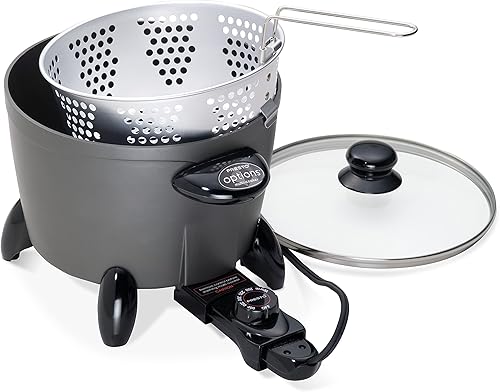
A basic electric food steamer with a 6-quart capacity handles most vegetable steaming tasks for a family of four. The Presto 06003 is a long-running, affordable option with a 6-quart bowl that is popular for everyday use. If you cook larger batches or want to steam proteins and vegetables at the same time, a bigger multi-tier steamer in the 8 to 17-quart range gives you room to work. Look for a steamer with a countdown timer and auto shut-off so vegetables do not sit in residual steam after they are done.
Frequently asked questions
Should I season vegetables before or after steaming?
Season after steaming. Salt draws moisture out of vegetables during cooking, which can make them wet and uneven in texture. A pinch of salt, a drizzle of olive oil, or a squeeze of lemon applied right after the vegetables come off the steamer is all you need.
Can I steam frozen vegetables in an electric steamer?
Yes, frozen vegetables steam well and do not need to be thawed first. Add about 2 to 3 extra minutes to the cook time compared to fresh vegetables. Frozen broccoli and peas are especially good steamed from frozen because they hold their shape well.
Why do my steamed vegetables turn dull or yellow?
Overcooking is the most common cause. Green vegetables lose their bright color when they go past the right internal temperature. Keeping cook times on the shorter end and cooling quickly with a rinse helps preserve color. Hard water minerals can also dull color over time, so filtered or low-mineral water makes a small difference.
How much water do I put in an electric steamer for vegetables?
Follow the steamer's fill line, which is usually between the minimum and maximum marks. For most vegetable tasks that take 10 minutes or less, the minimum fill is enough. For longer-cooking root vegetables, use more water or check partway through and add more if the reservoir runs low.
Can I steam different vegetables together at the same time?
You can if you account for the timing difference. Put the denser, longer-cooking vegetables in first and add the faster-cooking ones partway through. Multi-tier steamers make this easier since you can load the upper tier a few minutes after the lower tier has already started.